Science Discoveries of 2026

Confirmed pictures and milestones from the frontiers of science and technology.

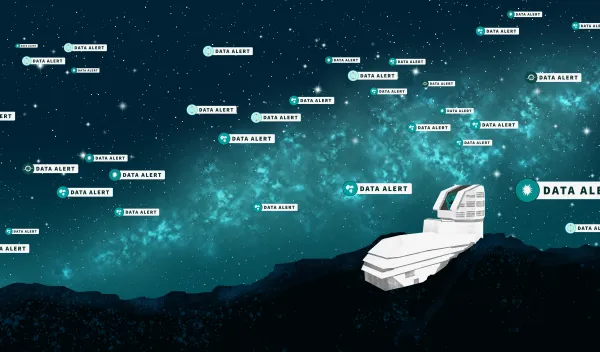
Illustration of Rubin Observatory beneath the Milky Way with streams of scientific data alerts
Rubin Observatory's First Science Alerts On February 24, the observatory issued 800,000 alerts for changing objects such as supernovae and asteroids. NSF reported that the system is expected to scale to about seven million alerts per night. Image: U.S. National Science Foundation news release · Official NSF source, February 25, 2026
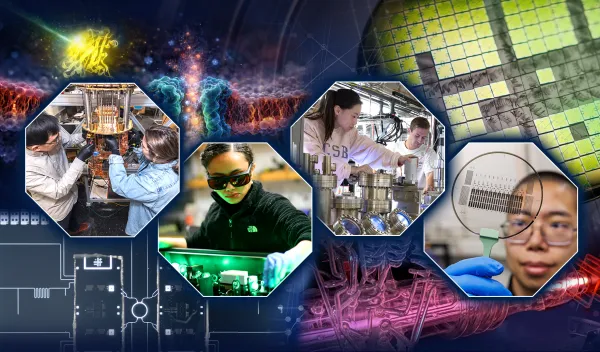
Collage of quantum researchers, laboratory equipment, and close-up electronic circuits
Quantum Science Institutes Expand NSF announced eight Quantum Leap Challenge Institutes focused on quantum computing, networks, error correction, sensing, simulation, and biological measurement. Image: U.S. National Science Foundation news release; complete creator credit is provided on the official source page · Official NSF source, August 25, 2026
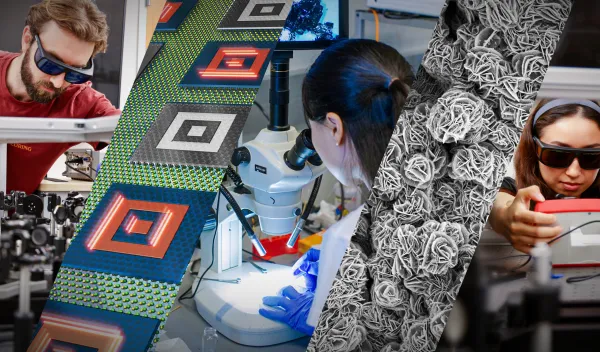
Collage of scientists conducting materials research and close-up views of advanced materials
Advanced Materials Research Six NSF research centers are studying light–matter hybrid materials, sensitive medical-imaging materials, and soft materials with possible drug-delivery applications. Image: U.S. National Science Foundation news release; complete creator credit is provided on the official source page · Official NSF source, July 30, 2026

What Counts as a 2026 Milestone?

This gallery uses events documented by an official science agency during 2026. It separates observed milestones—such as Rubin's first alerts—from newly announced research programs whose discoveries will develop over time.

Why These Fields Matter

Astronomical alert systems let researchers follow fast-changing events across the universe. Quantum research seeks new ways to compute, communicate, and measure. Materials science creates the physical building blocks used in medicine, energy, transportation, electronics, and manufacturing.